
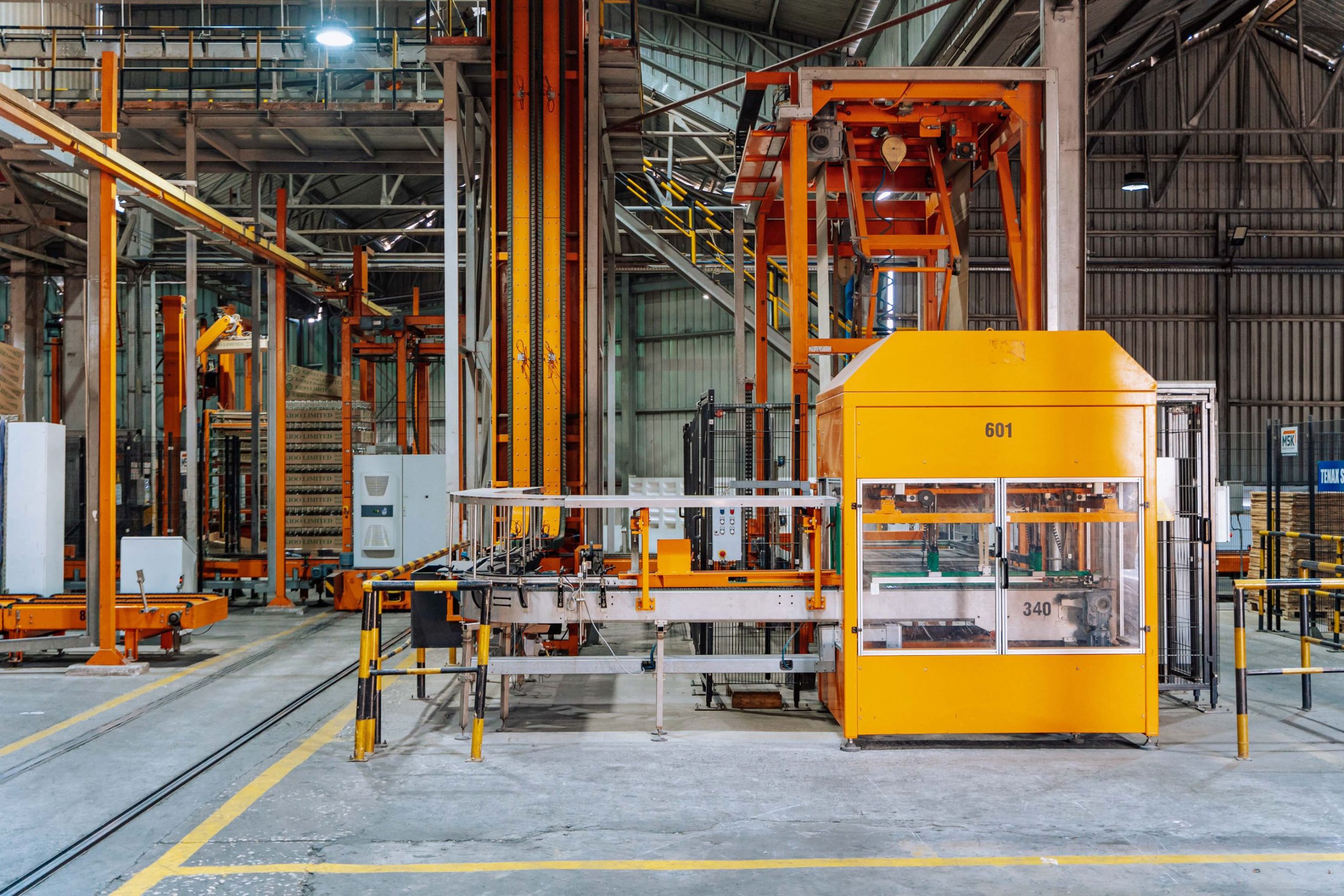
Rwanda has built one of the more orderly investment environments in the region, and its special economic zones are where that shows most clearly for manufacturers. Land is serviced, licences are issued quickly, and the people who regulate the zones work alongside the people who register your company. We have taken manufacturers through site selection here in food processing, building materials, garments and light assembly.
The zones are a good product. They are also often misunderstood, mostly by investors who price the incentives carefully and the logistics loosely. This guide sets out what is on offer and where we see plans go wrong.
The Kigali Special Economic Zone and the one-stop centre
The Kigali Special Economic Zone, in Gasabo district on the edge of the city, was formed by merging two earlier projects, a free trade zone and an industrial park. Its first two phases cover close to 280 hectares of plots with roads, power, water, sewage and fire services in place. Rwanda also has industrial parks and zones in secondary cities, including Bugesera, where the new international airport is being built. Several are at an earlier stage of servicing, so check what is actually in the ground before you commit.
Zones are regulated by the Special Economic Zones Authority, which sits within the Rwanda Development Board. RDB’s one-stop centre handles company registration, investment certificates, work permits and many of the other approvals a manufacturer needs, and business registration itself is usually done online within a day. The zone user licence is issued by the zone authority, which is required to decide on a complete application within a few working days.
In practice, the time goes on what comes after: environmental clearance, building permits and utility connections. Plan for months, not weeks, between signing for a plot and producing.
Incentives under the investment law
Incentives come mainly from Law No 006/2021 on investment promotion and facilitation, applied with the Rwanda Revenue Authority. For manufacturers, the elements that usually matter are a preferential corporate income tax rate for listed priority sectors and for companies exporting a substantial share of turnover, accelerated depreciation in the first year on qualifying assets, faster VAT refunds and, for very large investments that meet the thresholds, a tax holiday. Zone developers have their own package, including property tax and VAT relief on construction.
Three cautions. Eligibility is sector-specific and threshold-based, so read the list rather than assume your activity is on it. Several incentives depend on an RDB investment certificate, which should be in hand before you spend. And the schedule has been revised before; confirm the current position with RDB and the revenue authority when you take the decision, from the law and not from a summary of it.
Land, buildings, power and logistics
Most investors buy or lease serviced land through the zone developer and build to their own specification. Ready-built factory and warehouse space exists but is limited and tends to be taken quickly. If speed matters more than layout, start that search early and be prepared to adapt the process to the building. Land in the Kigali zone costs more than greenfield land elsewhere in the country, and what the premium buys is services already connected and clean title.
Power in the zone is reliable by regional standards, but industrial tariffs are not low. For energy-intensive processes, model the power bill early and confirm connection capacity with the utility before you size the plant.
Logistics is where Rwanda’s geography shows. Kigali is roughly 1,500 km by road from Dar es Salaam and further still from Mombasa. Imported inputs and finished exports travel those distances by truck along the Central and Northern corridors. The dry port and logistics platform in Kigali help with consolidation and clearance, and air freight works for high-value, low-weight goods. For anything heavy, transport is a material share of landed cost, and it is the line we most often see underestimated.
Price the incentives carefully, by all means. Then price the trucks.
Market access and what investors underestimate
Rwanda is a member of the East African Community, so goods meeting EAC rules of origin move free of duty across a community that now runs from Somalia and Kenya to the DRC. It is also an AfCFTA State Party and was among the early participants in the Guided Trade Initiative. The home market of around 14 million people is small, and most zone manufacturers we advise are building for the region.
Two points catch people out. First, sales from a zone into the domestic or regional market are not exports. Customs rules on zone output, and on duty due on imported inputs, need to be worked into pricing from the start. The treatment of goods from special economic zones under the AfCFTA has also been slow to settle, so do not assume zone output earns continental preference without checking for your product and destination.
Second, skills. Rwanda’s workforce is young and trainable, but experienced production supervisors and maintenance engineers are scarce. Budget for training, and for some expatriate staff in the early years within the work permit rules.
Where we would start
- Confirm your activity is on the incentive list and obtain an RDB investment certificate before committing capital.
- Visit the zone and see the plot, the substation and the drainage for yourself.
- Get written confirmation of power connection capacity and lead time.
- Model landed cost for inputs and outputs on both the Northern and Central corridors.
- Take advice on how your zone sales into EAC and wider AfCFTA markets will be treated at the border.
- Plan the first two years of hiring and training alongside the build programme.
Rwanda rewards investors who do their homework and keep their commitments. The institutions are responsive and the zone is a sound place to build. The manufacturers who do well here chose Rwanda for the region it reaches, and planned for the distance from the start.