
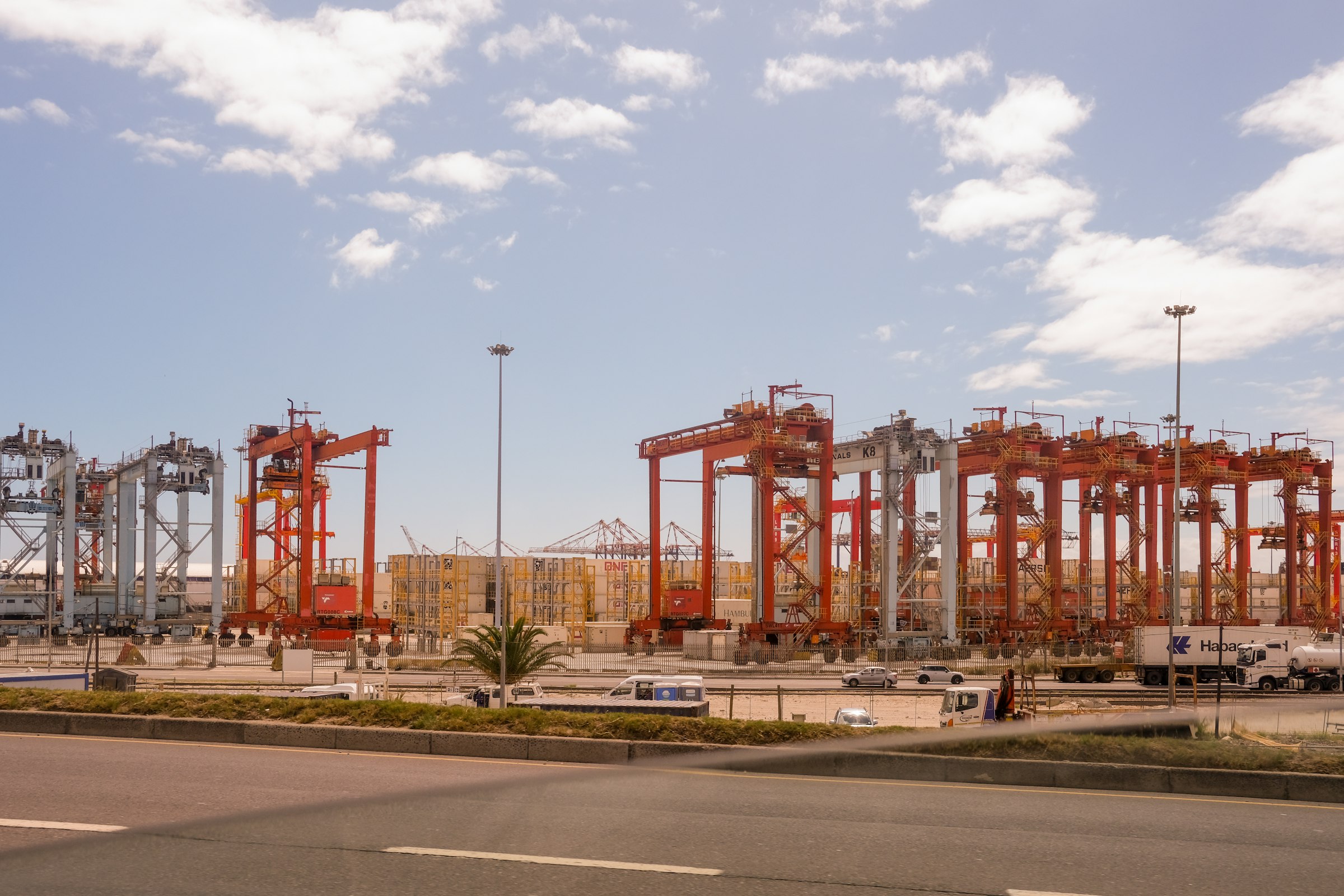
Over the past two decades, container terminal concessions have become one of the most dependable routes for private investment into African infrastructure. Most of the large coastal gateways in West Africa now have at least one terminal run by a global operator under a long-term concession, and new terminals continue to reach financial close. Road PPPs are fewer, and a fair number of those that did close have since been renegotiated, restructured or bought back by government.
The gap is often put down to political will. In our view it has much more to do with revenue, risk allocation and who sits across the table. Understanding why port deals close is one of the most useful things a roads ministry can do before launching its next PPP.
Ports start with revenue that already exists
A port terminal tender usually concerns an asset with years of traffic history. Bidders can see container volumes, the hinterland the port serves, the shipping lines that call and the competing ports along the coast. Tariffs are paid by shipping lines and cargo owners, many of them international businesses, and are often denominated in or linked to dollars or euros. Observable demand and hard-currency revenue paid by commercial users is close to ideal for lenders.
Compare a greenfield toll road. Traffic forecasts come from models, with little or no history behind them. Users are domestic motorists and hauliers paying in local currency, and their willingness to pay is only tested after opening. Lenders have long memories of toll roads around the world whose early traffic came in well below forecast, and they price that into every road deal they see.
Ports close because the revenue exists before the deal does. Roads ask lenders to believe in revenue nobody has yet seen.
The operators know the business
The global terminal operators active in Africa, among them DP World, APM Terminals, CMA CGM’s terminal business and MSC (which acquired Bolloré’s African ports and logistics business in 2022), have run concessions in dozens of countries. They bring their own equity, sometimes their own shipping volumes, and balance sheets that lenders and development finance institutions know well. To them a concession is a familiar product, and they negotiate it as one.
Road PPPs tend to draw a smaller field of construction-led sponsors, often regional contractors whose main interest is the construction margin. That is a commercial reality, and good contractors build good roads. But a sponsor whose return comes mostly from building has less reason to care about year fifteen than an operator whose return depends on throughput for the whole term.
Roads carry the risks lenders like least
Demand risk is only the first. Tolling is political. Tariff increases agreed in the concession can be hard to apply in an election year, and a toll on a road that used to be free invites protest. Lagos State’s buy-back of the Lekki toll road concession in 2013 is still the case lenders mention first, and it is not the only one.
Land is the second. Port terminals usually sit on land the port authority already owns. Roads cross hundreds of plots, informal settlements and utility corridors. Resettlement to the standards DFI lenders require takes longer and costs more than early budgets assume. Late handover of land becomes a compensation event, and the cost comes back to government.
Third, where tolls cannot carry the debt, governments add viability gap funding or an availability payment. That replaces demand risk with government payment risk, which brings its own questions of budget appropriation and payment security. Port concessions, by contrast, usually pay the state a concession fee rather than drawing on its budget.
What road PPPs can borrow from port deals
Not everything transfers. A road will never have shipping lines as customers. But a good deal of the port model can be applied to roads with some discipline from the procuring authority.
- Start with brownfield corridors. Concession an existing road with real traffic for rehabilitation, widening and operation before tendering greenfield links. Traffic history does for a road what container history does for a terminal.
- Publish the data. Port tenders come with volumes and tariffs. Road tenders should come with independent traffic counts, origin and destination surveys and willingness-to-pay studies, paid for by the authority and shared with every bidder.
- Settle land before tender. Handing over the corridor, or at least the first sections, before financial close removes the risk that most often delays road projects.
- Write tariff indexation that can survive politics: an automatic formula, compensation if government blocks an increase, and a funded reserve to pay that compensation.
- Share demand risk openly. Minimum revenue guarantees or toll-plus-availability hybrids can make a road financeable, provided the fiscal cost is counted up front.
- Attract operators as well as builders. Prequalification can reward operating track record and require sponsors to keep equity in the project through the operating years.
Ports close faster because they are easier deals, and there is no shame in that. The task for roads ministries is to make their projects look more like ports before they go to market, rather than hoping lenders will take on risks that the procuring authority is better placed to manage.